Posted on 3/27/2026

Rain changes the way a car feels faster than almost anything else. A vehicle that seems perfectly fine on dry pavement can suddenly feel loose, nervous, or harder to trust once the road gets wet. That gets blamed solely on the weather, but in many cases, the car is already telling you something about its condition. Sometimes new tires will help a lot. Sometimes they are only part of the answer. Why Rain Changes The Way A Car Feels Wet roads reduce traction, plain and simple. The tires have less grip to work with, braking distances get longer, and any weakness in the steering or suspension becomes much easier to feel. What seemed like a small issue in dry weather can become a much bigger confidence problem in the rain. That is why a car can feel unstable only when the pavement is wet. The road is asking more from the tires, alignment, shocks, and steering than it does on a clear day. If one part of that system is already slipping, rain exposes it q ... read more
Posted on 2/27/2026
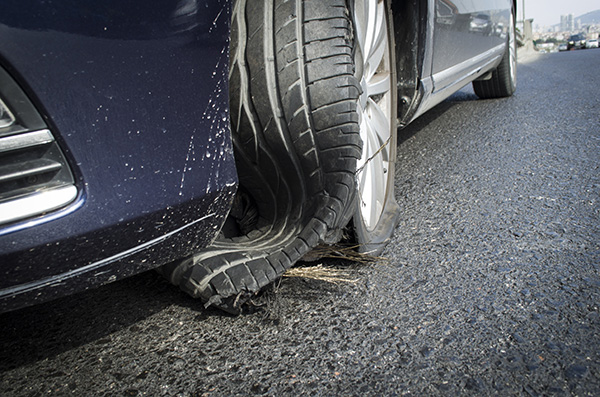
Tires take hits that most drivers never see coming. Nails, broken glass, rough construction zones, and pothole edges can take a perfectly good tire out in one drive. The frustrating part is the timing, because tire trouble loves to show up when you’re late, it’s raining, or you’ve got a full car. A tire protection plan is basically a buffer against those surprise costs. It also nudges people to handle small tire issues sooner, which is usually the difference between a quick repair and a ruined tire. 1. Road Hazard Coverage When Life HappensMost plans are built for the real-world stuff that damages tires: punctures, certain impact damage, and road debris. Even careful drivers pick up screws, and potholes can slice a sidewall before you even realize you hit one. When a tire is repairable, coverage often takes care of it and gets you back on the road without a painful bill. The bigger value i ... read more
Posted on 1/30/2026
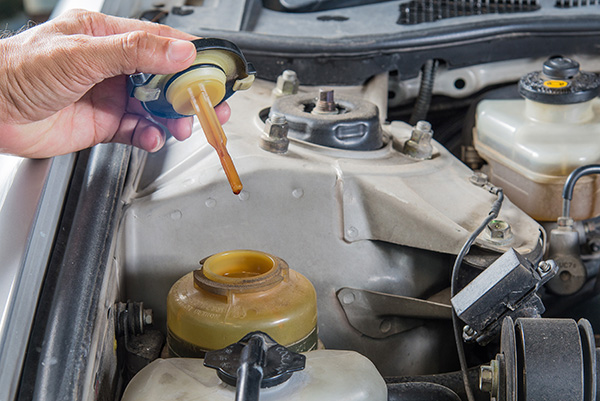
Seeing a fresh spot under the front of your car can ruin your whole morning. You might not even notice anything wrong while driving at first, which makes it more confusing. Then the steering starts to feel heavier in parking lots, or you hear a faint whine when turning, and suddenly that little spot feels like a bigger deal. Power steering leaks are common, and most of them come from a few predictable places. The key is identifying where the fluid is coming from and fixing it before the system runs low and starts damaging parts that cost a lot more than the fluid itself. Where Do Power Steering Fluid Leaks Show Up Power steering components live up front, near the engine and front suspension. The pump, hoses, and steering rack are all in the area where leaks can drip straight down. Airflow while driving can also push fluid back along the underside ... read more
Posted on 12/19/2025
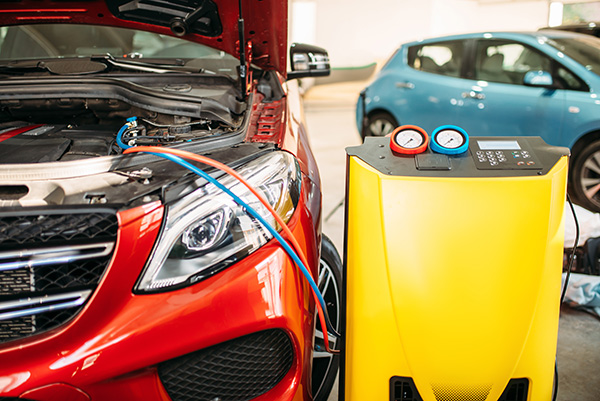
On a hot day, a weak A/C turns every drive into a chore. Maybe the air is just cool instead of cold, or it works fine in the morning but struggles in afternoon heat. Those small changes are usually the first signs that something in the system is on its way to failing, not just having an off day. 1. Low Refrigerant From Small Leaks The most common cause of poor A/C performance is low refrigerant. The system is sealed, so refrigerant does not get “used up” over time; it escapes through tiny leaks in hoses, fittings, O-rings, or the condenser. As the level drops, the system loses cooling power, and the compressor may start cycling more often. You might notice the air is cold when you first start driving, then turns lukewarm quickly, or it cools fine at highway speeds but blows warm at long stoplights. If we hook up gauges and see pressures pointing to low charge, that is our cue to look for dye traces, oily spots, or other clues to find the actual leak rath ... read more
Posted on 11/28/2025
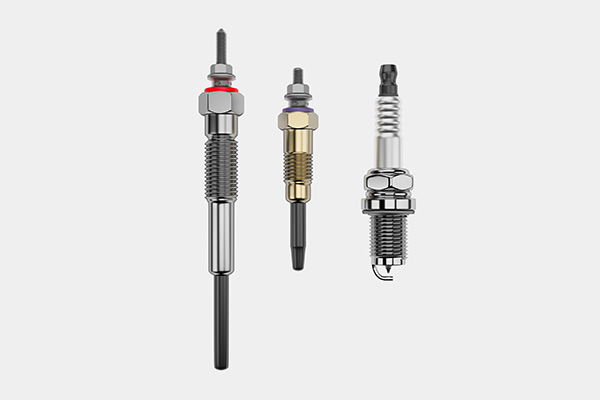
Gasoline and diesel engines burn fuel in very different ways, which is why they use different plugs. Spark plugs make a timed spark to ignite a fuel and air mix in gas engines. Glow plugs warm the diesel combustion chamber so compressed air is hot enough to ignite injected fuel cleanly, especially on cold starts. Understanding how each works helps you spot issues early and choose the right service. Spark Plugs: Timed Ignition for Gas Engines A spark plug sits in the cylinder head and fires an electrical arc across its electrodes at just the right moment. The ignition coil charges, the plug sparks, and the air-fuel mixture burns from that point outward. Heat range, electrode design, and gap size are matched to the engine so the plug stays clean and the spark is strong at idle and under load. When plugs wear or foul, the arc weakens, misfires increase, and fuel economy drops. Glow Plugs: Preheating for Diesel Combustion Diesels ignite fuel by compre ... read more